Introduction
Teachers today rely on digital tools to help manage increasingly complex classrooms. With so many responsibilities, educators need systems that simplify organization, communication, and student engagement. Choosing the right software can make a significant difference in how smoothly a classroom operates. However, the number of available options can feel overwhelming, especially for teachers who are new to digital platforms. Understanding what features matter most can help educators make confident and informed decisions that support both teaching and learning.
Identify Your Classroom Needs Before Comparing Options
Before exploring different tools, teachers should take time to identify their specific needs and challenges. Some educators may struggle with organization, while others may need help improving communication or boosting student engagement. Understanding these priorities helps narrow the list of potential platforms and prevents unnecessary frustration. Teachers should also consider the age group they work with, as younger students may require simpler interfaces. Additionally, thinking about long term goals can help ensure the chosen tool continues to support the classroom as needs evolve. A clear understanding of priorities makes the selection process more efficient and effective.
Evaluate Features That Support Daily Teaching Tasks
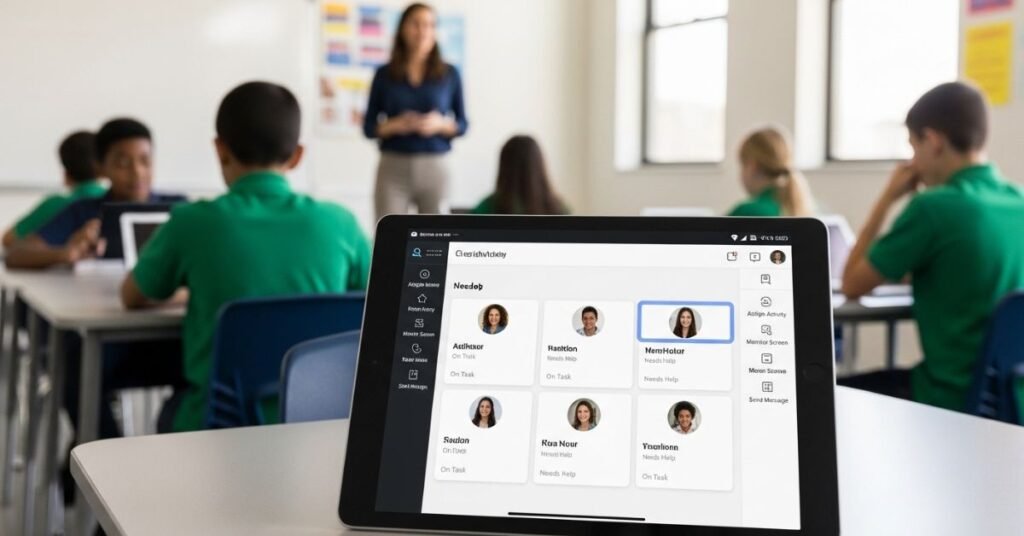
Once teachers understand their needs, they can begin evaluating the features offered by different platforms. Many tools include attendance tracking, assignment management, communication systems, and behavior monitoring. These features help streamline daily tasks and reduce the time spent on administrative work. Teachers should look for platforms that integrate multiple functions into one system, as this reduces the need to switch between apps. It is also helpful to choose tools that offer customization options, allowing educators to tailor the platform to their teaching style. Some of the most comprehensive tools fall under the category of classroom management software, which combines organization, communication, and engagement features into a single solution.
Consider Ease of Use and Learning Curve
A powerful tool is only effective if teachers and students can use it comfortably. Ease of use should be a top priority when selecting a digital platform. Teachers should look for intuitive interfaces, clear navigation, and simple setup processes. Many companies offer tutorials, training videos, and support resources that help educators learn the system quickly. It is also important to consider how easily students and families can access the platform, especially if communication or assignment submission is involved. A tool that is easy for everyone to use will lead to better adoption and more consistent results.
Review Compatibility With Existing School Technology
Before committing to a platform, teachers should ensure it works well with the technology already used in their school. Compatibility with devices, operating systems, and learning management systems is essential for smooth implementation. Teachers should also consider whether the software integrates with tools they already rely on, such as grading systems or communication apps. Cloud based platforms often offer the most flexibility, allowing access from multiple devices and locations. Checking compatibility early prevents technical issues that could disrupt instruction. A tool that fits seamlessly into the existing technology environment will be easier to maintain and more effective in the long run.
Seek Feedback From Colleagues and Test Before Committing
Teachers can gain valuable insights by talking with colleagues who have experience using different platforms. Fellow educators can share what they like, what challenges they faced, and how the tool impacted their classroom. Many companies also offer free trials, giving teachers the opportunity to test features before making a decision. Trying the software firsthand helps educators understand how it fits their workflow and whether it meets their needs. Teachers should also consider gathering feedback from students, as their experience plays a major role in the tool’s effectiveness. Taking time to test and gather input leads to a more confident and informed choice.
Conclusion
Choosing the right digital tool can significantly improve classroom organization, communication, and student engagement. By identifying needs, evaluating features, considering ease of use, and reviewing compatibility, teachers can make thoughtful decisions that support their teaching goals. Testing platforms and seeking feedback from colleagues further ensures the chosen tool will be effective and easy to implement. With the right software in place, educators can create a more efficient and engaging learning environment. Thoughtful selection empowers teachers to focus on what matters most, supporting students and fostering meaningful learning experiences.