Contents
- 1 Why Mold Prevention Is Essential for Commercial Properties
- 2 Identifying High Risk Areas Within Commercial Buildings
- 3 Improving Ventilation and Airflow Throughout the Building
- 4 Implementing Routine Maintenance and Moisture Control
- 5 Training Staff and Establishing Mold Prevention Policies
- 6 Conclusion
Why Mold Prevention Is Essential for Commercial Properties
Mold prevention is a critical responsibility for any business owner who wants to maintain a safe and healthy environment. Commercial buildings often experience higher foot traffic, increased humidity, and more complex mechanical systems compared to residential properties. These factors create conditions where mold can develop quickly if not properly managed. When mold spreads, it can affect indoor air quality, damage building materials, and disrupt daily operations. Businesses may also face liability concerns if employees or customers experience health issues related to mold exposure. By prioritizing prevention, companies can protect their property, reputation, and long term financial stability.
Identifying High Risk Areas Within Commercial Buildings
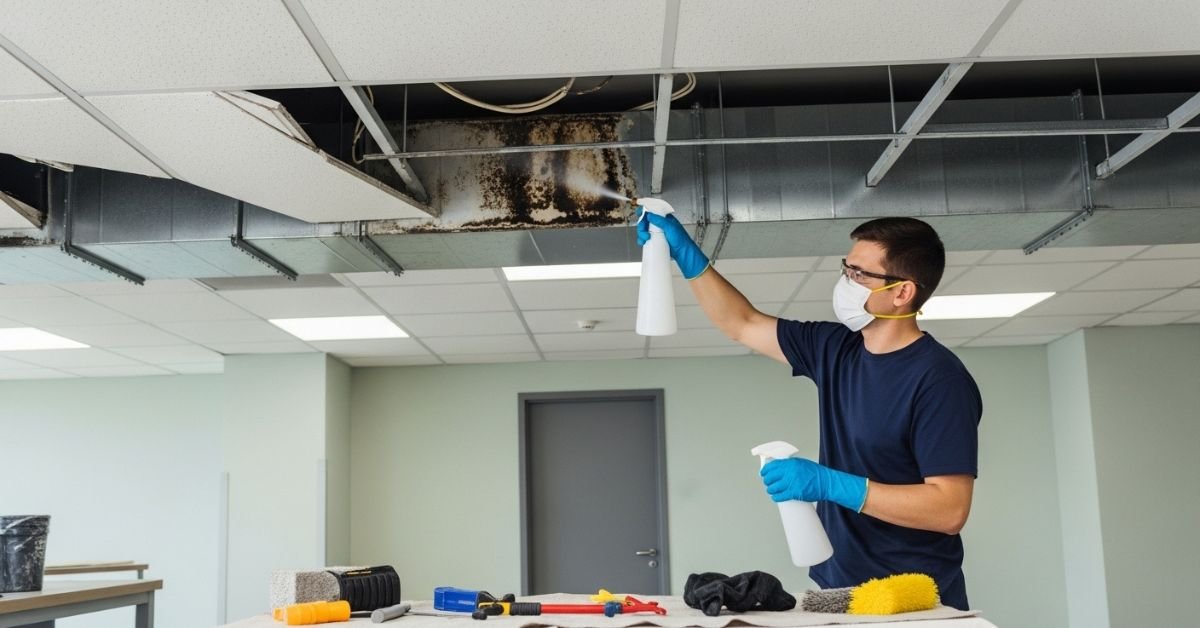
Certain areas within commercial buildings are more prone to mold growth due to moisture, limited ventilation, or frequent water use. Bathrooms, kitchens, utility rooms, and storage areas often accumulate humidity that can lead to mold if not monitored. HVAC systems can also harbor moisture, especially if filters are not changed regularly or ducts are not cleaned. Basements and crawl spaces may experience condensation or water intrusion that goes unnoticed for long periods. Even office areas can develop mold if spills, leaks, or condensation are not addressed promptly. Working with a professionals like Sarasota restoration company can help businesses identify these high risk zones and develop a plan to manage them effectively.
Improving Ventilation and Airflow Throughout the Building
Proper ventilation is one of the most effective ways to prevent mold growth in commercial spaces. Many businesses rely heavily on HVAC systems, which must be maintained regularly to ensure they are circulating clean, dry air. Installing dehumidifiers in areas with persistent moisture can also help reduce humidity levels. Opening windows when weather permits can improve airflow and reduce stagnant air that encourages mold growth. Regularly inspecting vents, ducts, and filters ensures that air is moving efficiently throughout the building. When airflow is optimized, moisture has fewer opportunities to settle and create mold friendly conditions.
Implementing Routine Maintenance and Moisture Control
Routine maintenance is essential for preventing mold in commercial buildings, where small issues can escalate quickly if overlooked. Regular inspections of plumbing systems can help detect leaks before they cause significant water damage. Roofs, gutters, and exterior drainage systems should also be checked to ensure water is being directed away from the building. Cleaning and maintaining HVAC units reduces the risk of moisture buildup inside ducts and vents. Businesses should also establish protocols for addressing spills, condensation, or water intrusion immediately. By staying proactive, companies can significantly reduce the likelihood of mold developing in hidden or high traffic areas.
Training Staff and Establishing Mold Prevention Policies
Employees play a key role in maintaining a mold free environment, especially in large commercial spaces. Training staff to recognize early signs of moisture or mold can help prevent small issues from becoming major problems. Clear reporting procedures ensure that maintenance teams are notified quickly when concerns arise. Businesses can also implement cleaning schedules that focus on high risk areas, ensuring surfaces remain dry and well maintained. Encouraging employees to keep workspaces organized and free of clutter can improve airflow and reduce moisture traps. When everyone understands their role in mold prevention, the entire building becomes easier to manage and protect.
Conclusion
Preventing mold growth in commercial buildings requires a combination of proper ventilation, routine maintenance, staff training, and proactive moisture control. By identifying high risk areas and addressing issues early, businesses can protect their property and maintain a healthy environment for employees and customers. A strategic approach to mold prevention helps reduce long term costs and ensures smooth daily operations. With consistent effort, commercial properties can remain safe, clean, and mold free.