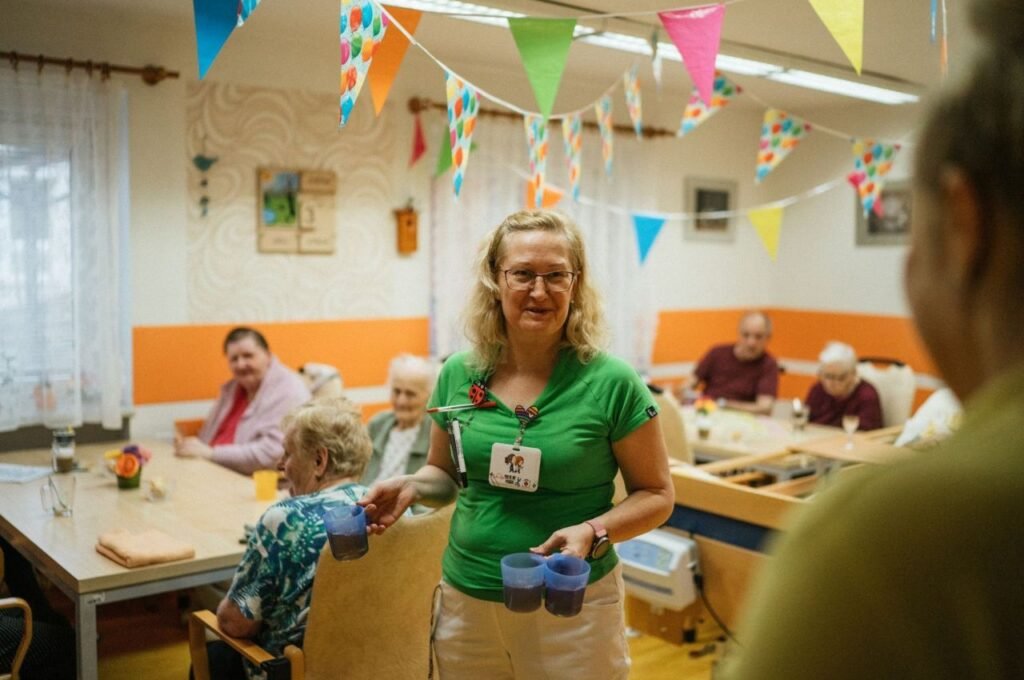
Aging often comes with a shift in daily rhythms—retirement, relocating, or simply having more unscheduled time. While these changes can feel uncertain at first, they also create space for meaningful connection and personal growth. For many seniors, this phase of life becomes an unexpected opportunity to explore new hobbies, meet like-minded individuals, and build fulfilling social networks.
The idea that social circles shrink over time is increasingly outdated. Across communities, programs and environments designed for older adults are expanding, offering both structure and spontaneity. Whether through creative pursuits, volunteer efforts, or shared living arrangements, seniors are discovering that friendship and opportunity are not bound by age—they’re often just beginning.
Community Centers as Social Anchors
Senior and community centers have long been gathering spaces, but their role has evolved significantly. Today, they serve as vibrant hubs where people connect over shared interests while accessing valuable resources. From fitness classes and educational workshops to cultural events and discussion groups, these centers create an environment where interaction happens naturally.
What makes these spaces particularly valuable is their accessibility. Activities are often designed with inclusivity in mind, ensuring that individuals with varying levels of mobility or experience can participate comfortably. A weekly class or recurring meetup provides consistency, making it easier to form lasting connections.
Beyond scheduled programming, community centers also foster informal interactions. A casual conversation before a class or a shared laugh during a group activity can quickly turn strangers into acquaintances—and eventually, friends. These organic moments often form the foundation of deeper social bonds.
Creative Pursuits That Spark Connection
Creative expression has a unique way of bringing people together. Whether it’s painting, music, writing, or craftwork, artistic activities encourage collaboration and shared learning. Many seniors find that engaging in creative pursuits opens doors to conversations and friendships that might not emerge in more formal settings.
Workshops and classes provide both structure and flexibility. Participants can focus on skill development while also enjoying the social experience. For example, someone attending a workshop in calligraphy in Napa Valley may initially be drawn by the craft itself, only to discover a community of individuals who share stories, ideas, and encouragement along the way.
These environments also promote a sense of accomplishment, which can be especially meaningful during transitional periods. Completing a project or learning a new technique reinforces confidence and creates shared milestones among participants. Over time, these shared experiences contribute to a strong sense of community.
Volunteering and Purpose-Driven Engagement
Volunteering offers seniors a powerful way to stay connected while making a meaningful impact. Many organizations actively seek older adults for their experience, reliability, and perspective. Whether mentoring younger generations, supporting local nonprofits, or participating in community initiatives, volunteers often find a renewed sense of purpose.
This kind of engagement naturally fosters connection. Working alongside others toward a common goal builds camaraderie and trust. Conversations tend to go beyond small talk, often centering on shared values and experiences.
Volunteering also introduces variety into daily life. Each project or event presents new challenges and opportunities to meet different people. Over time, these interactions can lead to lasting friendships that extend beyond the volunteer setting.
Lifelong Learning and Intellectual Exploration
Education doesn’t stop at retirement; for many seniors, it becomes more enjoyable without the pressures of grades or career advancement. Universities, libraries, and online platforms now offer a wide range of courses tailored to adult learners. Topics can range from history and literature to technology and personal finance.
Learning in a group setting creates opportunities for discussion and collaboration. Shared curiosity acts as a natural conversation starter, helping participants connect over ideas and perspectives. Study groups or post-class discussions often evolve into social gatherings, strengthening those connections.
In addition, learning new skills can be empowering. Whether mastering a digital tool or exploring a new field, the process reinforces adaptability and confidence. These qualities contribute to a more active and engaged lifestyle, which in turn supports social interaction.
Housing choices are playing an increasing role in how seniors connect with others. Independent living communities, co-housing arrangements, and age-friendly neighborhoods are designed to encourage interaction while maintaining personal autonomy.
These environments often include shared spaces such as gardens, lounges, and activity rooms, where residents can gather casually. Organized events—from group dinners to game nights—further enhance opportunities for connection.
Living in close proximity to others with similar life experiences can foster a strong sense of belonging. Neighbors become friends, and everyday interactions feel more meaningful. Over time, this sense of community can significantly enhance overall well-being, reducing feelings of isolation and increasing satisfaction with daily life.
Importantly, these arrangements also provide flexibility. Residents can choose how much they want to engage, ensuring that social opportunities never feel overwhelming. This balance allows individuals to maintain independence while still benefiting from a supportive network.
Conclusion
The later years of life hold remarkable potential for connection, creativity, and discovery. Seniors today are redefining what it means to stay socially engaged, finding new friendships and opportunities in places that encourage participation, curiosity, and collaboration.
By exploring community spaces, embracing creative pursuits, contributing through volunteer work, continuing to learn, and considering social living environments, older adults can build rich and rewarding networks. These connections enhance not just social life, but overall quality of life—proving that meaningful relationships and fresh opportunities can flourish at any stage.