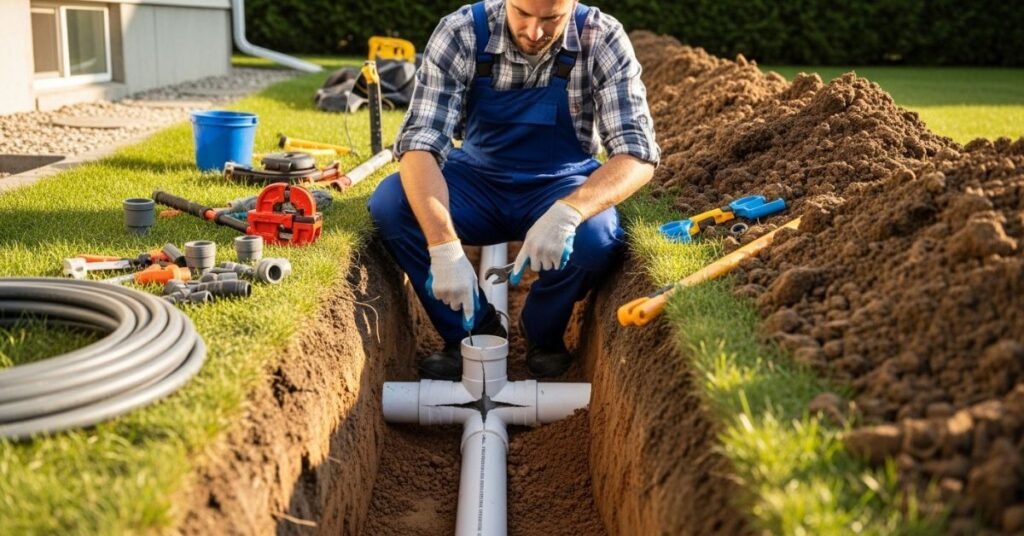
When homeowners think about creating a clean, comfortable, and healthy living space, they usually focus on what’s visible—air quality, lighting, furniture, or even smart home upgrades. But one of the most important systems affecting your home environment is completely hidden underground: your sewer line.
Your sewer system quietly carries wastewater away from your home every single day. When it’s working properly, you don’t notice it. But when something goes wrong, the impact can ripple through your entire lifestyle—from unpleasant odors and slow drains to potential health concerns and costly damage.
Understanding how sewer line repair and replacement contribute to a healthier home isn’t just about avoiding inconvenience—it’s about protecting your living environment, your routine, and your long-term peace of mind.
Why Sewer Lines Matter More Than You Think
Sewer lines are responsible for safely transporting wastewater from sinks, toilets, showers, and appliances out of your home. This includes not only water but also contaminants, bacteria, and waste materials that need to be properly disposed of.
When your sewer line is in good condition, it maintains a clean separation between your home and harmful substances. But when it’s damaged, clogged, or deteriorating, that separation begins to break down.
This can lead to:
- Contaminated water backing up into your home
- Foul odors that affect indoor air quality
- Increased exposure to bacteria and harmful microorganisms
- Structural issues caused by leaks underground
In other words, your sewer line plays a direct role in maintaining both hygiene and comfort—two essentials of modern living.
The Hidden Ways Sewer Problems Affect Your Lifestyle
Sewer line issues rarely start with dramatic failures. Instead, they develop gradually, often showing up as small inconveniences that homeowners might overlook at first.
1. Persistent Odors Indoors and Outdoors
One of the earliest and most noticeable signs of a sewer problem is a lingering unpleasant smell. These odors can seep into your home through drains or cracks in the system, making your living space feel less clean and inviting.
Over time, this can affect how comfortable you feel in your own home, especially when entertaining guests or spending extended time indoors.
2. Slow Drains That Disrupt Daily Routines
A slow drain might seem like a minor annoyance, but when multiple drains are affected, it can signal a deeper issue in your sewer line.
Simple daily activities—like showering, washing dishes, or doing laundry—can become frustrating and time-consuming. What should be seamless parts of your routine start to feel like ongoing problems.
3. Unexpected Backups and Mess
Sewer backups are among the most disruptive plumbing issues a homeowner can face. Wastewater can re-enter your home through drains or toilets, creating an unsanitary and stressful situation.
Even a single incident can require extensive cleaning and restoration, not to mention the emotional toll of dealing with such a problem inside your living space.
4. Increased Stress and Maintenance Concerns
Ongoing plumbing issues often lead to constant worry—wondering when the next problem will occur or whether a small issue might turn into a major repair.
This kind of stress can affect how you feel about your home overall. Instead of being a place of comfort, it starts to feel unpredictable.
What Causes Sewer Line Damage?
Understanding the root causes of sewer line problems can help homeowners make more informed decisions about maintenance and repairs.
Tree Root Intrusion
Tree roots naturally seek out moisture, and sewer lines provide an ideal source. Over time, roots can penetrate small cracks in pipes and expand, causing blockages or even structural damage.
Aging Pipes
Older homes often have sewer lines made from materials that deteriorate over time. Corrosion, shifting soil, and general wear can weaken pipes and lead to cracks or collapses.
Ground Movement and Soil Shifts
Changes in the ground—whether from heavy rain, construction, or natural settling—can place pressure on sewer lines. This can cause misalignment or breakage in the system.
Grease and Debris Buildup
Everyday habits, such as pouring grease down the drain or flushing inappropriate items, can contribute to blockages that restrict flow and increase pressure within the pipes.
Sewer Line Repair vs. Replacement: What’s the Difference?
When a problem is identified, homeowners are often faced with two main solutions: repair or replacement. Each option serves a different purpose depending on the condition of the sewer line.
Sewer Line Repair
Sewer line repair is typically used for localized issues, such as small cracks, minor blockages, or isolated damage. Modern repair methods often involve minimal disruption, especially with trenchless techniques that avoid extensive digging.
This approach is ideal when the majority of the sewer line is still in good condition.
Sewer Line Replacement
Replacement is recommended when the damage is widespread or the pipe has reached the end of its lifespan. This involves installing a new sewer line to restore full functionality and reliability.
While replacement may seem like a larger undertaking, it often provides a long-term solution that eliminates recurring problems.
How Sewer Line Work Supports a Healthier Home
Addressing sewer line issues goes beyond fixing plumbing—it directly improves the overall quality of your living environment.
Improved Indoor Air Quality
Eliminating leaks and blockages helps prevent sewer gases from entering your home. This leads to fresher air and a more pleasant indoor atmosphere.
Reduced Risk of Contamination
A properly functioning sewer system ensures that wastewater is safely transported away, minimizing the risk of exposure to harmful bacteria and pollutants.
Better Hygiene and Cleanliness
With no backups or slow drainage issues, your home remains cleaner and easier to maintain. Everyday activities become smoother and more efficient.
Greater Peace of Mind
Knowing that your sewer system is in good condition allows you to focus on enjoying your home rather than worrying about hidden problems.
Modern Solutions That Minimize Disruption
Advancements in plumbing technology have made sewer line repair and replacement more efficient and less invasive than ever before.
Trenchless Repair Methods
Techniques like pipe lining and pipe bursting allow professionals to fix or replace sewer lines without digging up large sections of your yard. This reduces disruption to landscaping and shortens project timelines.
Video Camera Inspections
High-resolution cameras can be inserted into sewer lines to accurately diagnose issues. This eliminates guesswork and ensures that the right solution is applied.
Durable Materials for Long-Term Performance
Modern piping materials are designed to withstand corrosion, root intrusion, and shifting soil, providing a longer-lasting solution compared to older systems.
When Should You Pay Attention to Your Sewer Line?
Many homeowners only think about their sewer line when a major problem occurs. However, being proactive can help prevent larger issues down the line.
You may want to pay closer attention if you notice:
- Frequent drain clogs
- Gurgling sounds from pipes
- Water pooling in your yard
- Unusual odors near drains or outdoors
- Multiple plumbing fixtures acting up at the same time
These signs often indicate that the issue is not isolated and may involve the main sewer line.
The Lifestyle Value of Preventive Maintenance
Maintaining your sewer line isn’t just about avoiding emergencies—it’s about preserving the quality of your home life.
Regular sewer line inspections and timely repairs can:
- Extend the lifespan of your plumbing system
- Reduce the likelihood of unexpected disruptions
- Maintain a clean and comfortable home environment
- Protect your property from avoidable damage
In many ways, sewer line maintenance is similar to other home care practices—it’s easier and more cost-effective to address small issues early than to deal with major problems later.
A Different Way to Think About Home Improvement
Home improvement is often associated with visible upgrades—new kitchens, renovated bathrooms, or modern fixtures. But some of the most impactful improvements happen behind the scenes.
Investing in your sewer line may not change the look of your home, but it significantly enhances how your home functions. It ensures that your daily routines remain uninterrupted and that your living environment stays clean, safe, and comfortable.
When homeowners start to see sewer line repair and replacement as part of a broader lifestyle strategy—not just a repair—they make more proactive and informed decisions.
Conclusion
A truly healthy home goes beyond what you can see. While aesthetics and visible upgrades play an important role, the systems working behind the scenes are just as critical—if not more so.
Your sewer line is one of those essential systems. It protects your home from contamination, supports daily comfort, and ensures that your living space remains clean and functional.
By understanding the importance of sewer line repair and replacement, homeowners can take a more holistic approach to home care—one that prioritizes not just appearance, but overall well-being and long-term reliability.