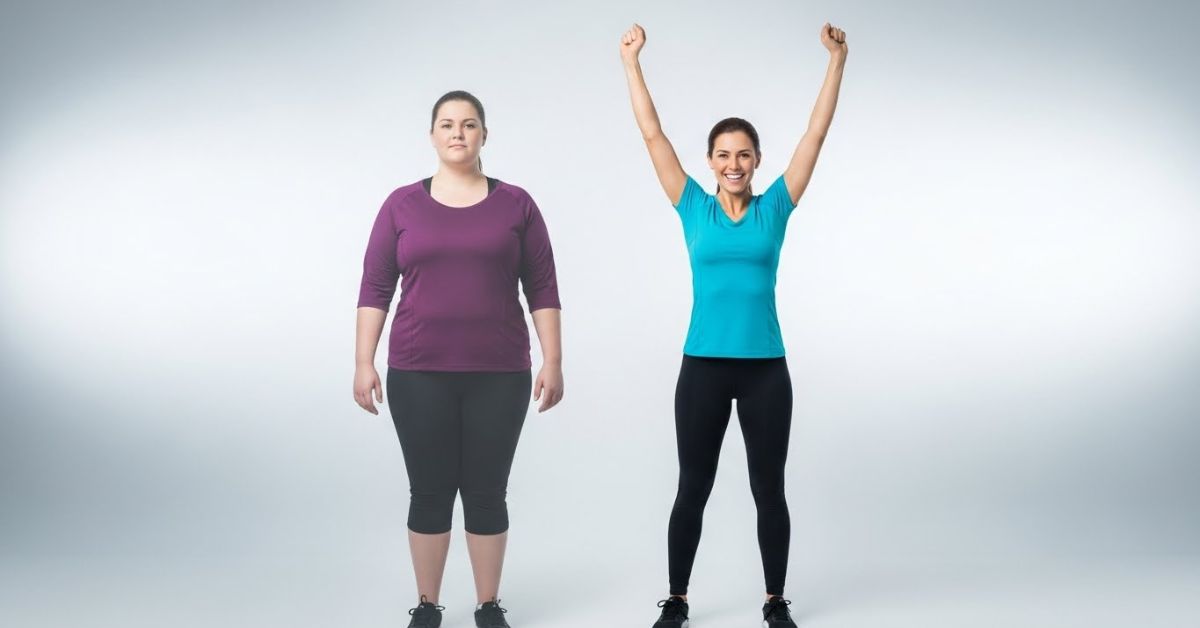
Weight loss has always existed in the public eye, but the way it shows up in entertainment has shifted dramatically over the last decade. From celebrity interviews to reality television storylines and viral social media moments, conversations about body image, health, and transformation are now more nuanced, more public, and often more contested than ever before.
Entertainment no longer treats weight loss as a silent background detail. It has become a visible narrative arc, one that reflects changing social attitudes toward wellness, self-image, and personal choice. These stories influence how audiences think about their own bodies, their health decisions, and what “success” is supposed to look like.
Contents
- 1 The Evolution of Weight Loss Storylines in Media
- 2 Celebrity Transparency and Public Curiosity
- 3 Social Media’s Role in Shaping the Narrative
- 4 Where Health Conversations Enter the Spotlight
- 5 Entertainment, Judgment, and Public Reaction
- 6 The Impact on Everyday Audiences
- 7 A More Balanced Cultural Lens
- 8 What the Conversation Might Look Like Next
- 9 Moving Forward
The Evolution of Weight Loss Storylines in Media
In earlier eras of film and television, weight loss was a punchline or a dramatic reveal. Characters would disappear for a season and return visibly changed, with little discussion of how or why. The transformation itself was the story.
Today, entertainment has begun to shift away from that approach. Celebrities and public figures increasingly discuss their journeys in more detail, acknowledging the emotional, mental, and medical layers involved. Audiences now expect context, honesty, and complexity rather than shock value.
Reality television, podcasts, and long-form interviews have played a role in this shift. These formats allow space for conversations about metabolism, mental health, lifestyle changes, and the realities of maintaining long-term wellness. Weight loss isn’t a single moment, but an ongoing process influenced by many factors.
Celebrity Transparency and Public Curiosity
Modern celebrity culture thrives on access. Fans want to know how public figures train, eat, recover, and manage stress. This curiosity has expanded beyond fitness routines to include broader health strategies that were once private.
When entertainers talk openly about weight changes, audiences often follow the conversation closely. Some celebrities credit changes in diet or exercise, while others acknowledge medical guidance or structured treatment plans. This openness has shifted public understanding of how varied weight management approaches can be.
As these conversations become more common, people outside the entertainment industry also feel more comfortable discussing their own experiences. Media visibility helps normalize the idea that weight loss is not a one-size-fits-all journey.
Social Media’s Role in Shaping the Narrative
Social platforms have amplified entertainment’s influence on body conversations. A single interview clip or candid photo can spark weeks of discussion. Algorithms reward visibility, which means weight-related stories often spread quickly.
This environment has created space for both empowerment and misinformation. On one hand, creators use platforms to promote body neutrality, mental health awareness, and realistic expectations. On the other hand, oversimplified advice and extreme trends can gain traction just as easily.
Audiences now navigate a mix of personal stories, professional opinions, and entertainment commentary. The result is a broader conversation that blends lived experience with cultural performance.
Where Health Conversations Enter the Spotlight
As entertainment continues to open the door, health discussions follow closely behind. Many people now recognize that weight management can involve more than willpower alone. Factors such as genetics, hormones, mental health, and medical support are increasingly part of public dialogue.
People now more than ever recognize weight loss medications as one option that may exist alongside lifestyle changes such as nutrition and movement. Conversations around modern weight management often reflect a broader understanding that no single approach works for everyone, and that today’s options look very different from the outdated assumptions many people still hold.
This broader understanding helps explain why some individuals explore structured treatment paths, including learning about different medication categories and how they function within supervised care plans, as part of a comprehensive approach to health.
Entertainment, Judgment, and Public Reaction
Despite increased openness, public reaction can still be harsh. Celebrities often face scrutiny no matter which path they choose. Weight loss can attract praise, suspicion, or criticism depending on how audiences interpret the change.
This tension reflects a larger societal struggle to balance body positivity with personal autonomy. Entertainment mirrors that struggle. It shows how people wrestle with wanting freedom of choice while also resisting unrealistic beauty standards.
The conversation becomes less about appearance and more about agency. Who gets to decide what health looks like? Who controls the narrative when bodies change?
The Impact on Everyday Audiences
Entertainment influences not just opinions, but behavior. Viewers absorb cues from the stories they watch and the people they follow. When the media presents weight loss as multifaceted, audiences are more likely to approach their own health with patience and curiosity rather than shame.
People begin asking different questions. Instead of searching for quick fixes, they explore sustainable habits, mental well-being, and professional guidance. Entertainment can act as a gateway to more informed conversations, even when it is not intentionally educational.
This influence is subtle but powerful. Cultural storytelling shapes norms long before policies or institutions catch up.
A More Balanced Cultural Lens
The most meaningful shift in entertainment may be its move toward balance. Weight loss is no longer framed solely as an achievement or failure. It is increasingly treated as a personal health decision shaped by individual circumstances.
This balance allows room for multiple narratives to coexist. Some people embrace fitness-based changes. Others focus on medical care. Many prioritize mental health over numbers on a scale. Entertainment reflects all of these paths when it allows people to tell their stories fully.
When audiences see that variety, it reduces pressure to conform to a single ideal.
What the Conversation Might Look Like Next
As entertainment continues to evolve, weight loss narratives will likely become even more layered. Viewers are growing more media-savvy and less interested in surface-level explanations. They want honesty, context, and respect.
Future conversations may focus less on transformation and more on maintenance, self-acceptance, and long-term health. Entertainment has the power to normalize these themes simply by showing them.
When stories reflect reality instead of fantasy, they create space for healthier expectations.
Moving Forward
Entertainment does more than entertain. It shapes cultural understanding, influences personal choices, and frames how society talks about sensitive topics like weight and health. As public figures and media platforms continue to approach these conversations with greater transparency, audiences benefit from a broader, more realistic perspective.
Weight loss no longer exists only as a dramatic reveal. It exists as a conversation, one that reflects autonomy, complexity, and the many ways people define well-being for themselves.