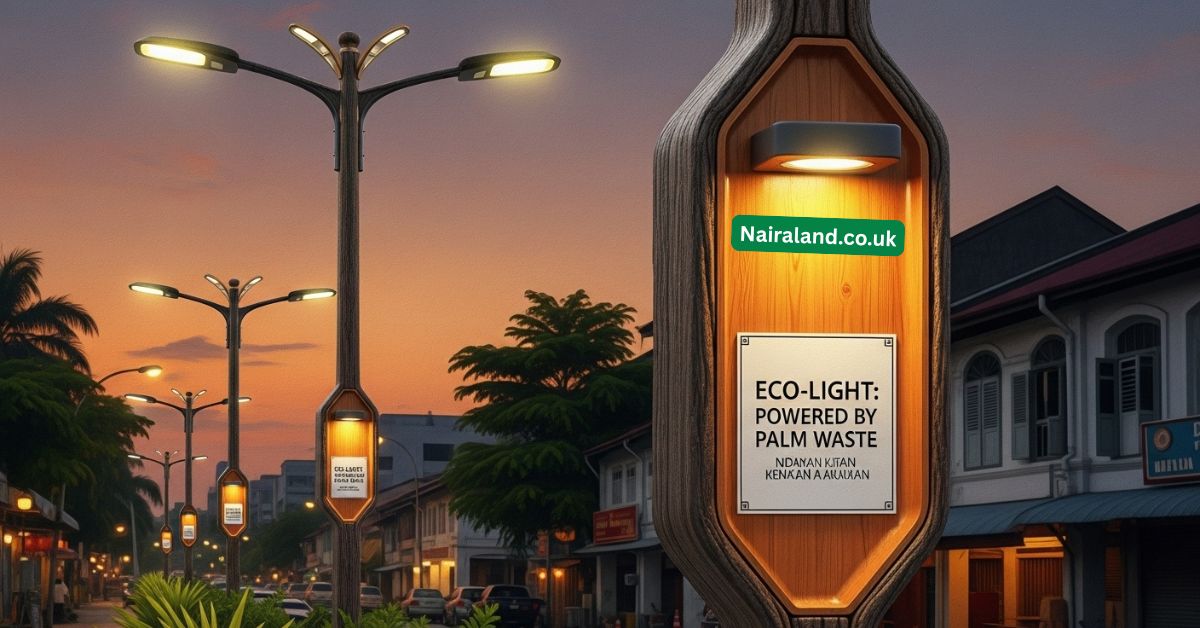
In the vast agricultural landscapes where oil palms grow, a significant challenge has always been what to do with the enormous amount of waste left behind after harvest. For every ton of palm oil produced, several tons of biomass waste are generated, including empty fruit bunches, fronds, and trunks. Traditionally, much of this material has been burned or left to decompose, creating environmental problems like air pollution and greenhouse gas emissions. However, a wave of innovation is changing this narrative, transforming what was once considered refuse into objects of beauty and function. One of the most inspiring examples of this movement is the oil palm waste used lamp project.
This initiative is more than just a recycling program; it is a profound rethinking of our relationship with natural resources. By focusing on the oil palm waste used lamp project, individuals are taking the fibrous, woody remnants of the palm industry and giving them a second life as stunning, handcrafted lamps. These projects are about more than just creating light; they illustrate how a thoughtful approach to waste can spark a movement toward sustainability and creativity. They demonstrate that with ingenuity and respect for materials, it’s possible to find value in the most unexpected places. This article explores the journey of the oil palm waste used lamp project, following its path from the dusty plantation floor to the warm glow of a finished lamp in a home.
Contents
The Problem of Palm Waste: A Mountain of Opportunity
To appreciate the significance of the oil palm waste used lamp project, we must first understand the scale of the problem it addresses. The palm oil industry is a global giant, supplying a versatile oil found in countless products, from food to cosmetics. This massive production naturally leads to a huge volume of organic waste. The primary byproducts are empty fruit bunches (EFBs), which are the fibrous clusters left after the palm fruits are removed. Additionally, there are the fronds that are pruned regularly and the old trunks that are felled when trees reach the end of their productive life, typically after about 25 years.
For a long time, the disposal of this biomass was a major headache for plantation owners. Burning it in the open was a common practice, but this releases harmful smoke and carbon dioxide into the atmosphere, contributing to local air quality issues and global climate change. Simply leaving it to rot in piles is not a perfect solution either. While it does decompose naturally, the slow process can release methane, a potent greenhouse gas. Furthermore, large piles of decaying waste can become breeding grounds for pests and diseases that could affect the health of the living palm trees.
Forward-thinking producers and environmentalists began searching for better solutions. Some of the waste could be used as organic fertilizer or as fuel for biomass power plants to generate electricity. While these are valuable uses, they still treat the material as a low-value commodity. The oil palm waste used lamp project represents a different approach entirely. It seeks to elevate the material—to view it not as mere fuel or fertilizer, but as a raw material for high-quality, artisanal products. This method is a classic example of “upcycling,” where waste transforms into something of greater value and distinction.
The Spark of an Idea: Seeing Art in the Aftermath
The origin of the oil palm waste used lamp project can be traced back to individuals who saw potential where others saw only problems. In discarded palm trunks and fronds, these creative thinkers noticed unique textures and patterns. The trunk of an oil palm, for instance, is not like a typical hardwood tree. It has a distinctive fibrous structure with vascular bundles running through it, creating a porous, almost stringy appearance when cut. The empty fruit bunches are a tangled mass of strong, flexible fibers.
Artisans and designers began to experiment, driven by the vision central to the oil palm waste used lamp project. Could this fibrous wood be shaped? Could it be treated to gain durability? What would happen if you hollowed it out and placed a light inside? These questions marked the beginning of a cycle of trial and error. Early attempts might have been simple, but they proved the concept was viable. Dried and properly treated, the material was surprisingly workable; it could be cut, sanded, and finished to create elegant forms.
The true breakthrough of the oil palm waste used lamp project was seeing that the so-called imperfections of the material—its porosity, its fibrous grain, its uneven texture—were actually its greatest strengths. When light shines through a thin-walled section of a palm trunk, it highlights these natural patterns, casting a warm, diffused glow that is truly unique. The lamp becomes more than a source of illumination; it’s a piece of natural sculpture, made possible by reimagining the potential of palm oil waste.
The Craftsmanship Behind the Lamp: A Labor of Love
Crafting a lamp as part of the oil palm waste used lamp project is not a simple industrial process. Instead, it’s an act of dedication that requires patience, skill, and an artistic eye. Every lamp is distinct because every piece of wood is, by nature, unique. The process typically involves several important steps.
Sourcing and Selection
The journey within the oil palm waste used lamp project always begins on the plantation. Artisans carefully select suitable pieces of waste, typically sections of the palm trunk. Not all parts of the trunk are usable—they seek out sections with interesting patterns and sufficient structural integrity. The wood must be gathered before it starts to rot. This step often involves collaboration between artisans and plantation managers, creating new revenue for plantations and ensuring a steady supply of raw materials for lamp makers.
Drying and Curing
Once selected, palm wood is incredibly wet and heavy, so it must be dried thoroughly before the next phase of the oil palm waste used lamp project begins. This is a crucial step; improper drying can result in cracking, warping, or mold. The wood is often air-dried for several months in controlled conditions. This slow, patient process allows moisture to escape gradually, protecting the integrity of the wood. Sometimes kilns are used for faster drying, but this must be managed with care to avoid damaging the delicate, fibrous structure.
Shaping and Carving
Once cured, the creative work of the oil palm waste used lamp project truly starts. The artisan examines the piece, deciding on a shape that will highlight the wood’s natural features. Using lathes, saws, and sanders, they skillfully craft the lamp’s form. The outer bark is removed to reveal beautiful patterns underneath. The lamp’s core is hollowed out to make room for the light source—this must be done carefully, as the walls need to be thin enough to transmit light, but thick enough to remain strong. The final shape could be cylindrical, spherical, or organically inspired. The surface is carefully sanded for a smooth, pleasing finish, a task that often takes many hours.
Finishing and Assembly
With the form established, the lamp from the oil palm waste used lamp project is ready for finishing. A clear, non-toxic sealant is normally used to protect the lamp from moisture and grime. The sealant enhances the natural texture and color without adding a glossy finish, keeping the look earthy and authentic. Electrical components—like LED bulbs, sockets, and cords—are then installed. LEDs are perfect for the oil palm waste used lamp project because they produce very little heat and last for a long time, aligning well with both safety and sustainability goals.
The Impact: More Than Just a Beautiful Object
The oil palm waste used lamp project has a ripple effect of positive impacts extending well beyond the beauty of its final product. It is a striking example of a circular economy at work, where waste is reused and resources are maximized.
Environmental Benefits
Perhaps the most immediate benefit is environmental. By diverting palm waste away from burning or landfills, the oil palm waste used lamp project helps reduce air pollution and greenhouse gas emissions. In this way, carbon is kept locked away in a long-lasting product. The project helps establish a more responsible agricultural system, moving away from a single-use, “take-make-dispose” mindset to a circular one, where waste is continually given new value.
Economic Empowerment
Beyond just environmental wins, the oil palm waste used lamp project often creates jobs in local communities. Artisans, designers, and those who collect and process palm waste all contribute to the project’s success, finding new ways to earn an income that does not rely purely on palm oil sales. Skills in woodworking, design, and business management are nurtured, helping communities grow stronger and more adaptable. Many projects are structured as social enterprises, reinvesting profits into community education, healthcare, or other environmental advancements, reinforcing the positive cycle of local development.
Cultural and Artistic Value
The oil palm waste used lamp project is also a celebration of local culture. It uses and revives traditional craft skills but in new, creative ways. It instills pride in local resources and ingenuity, as each lamp tells a story—about its origins, its transformation, and the hands that shaped it. At a time when mass-produced goods dominate, these lamps create a welcome connection to authenticity and uniqueness. They become conversation pieces, allowing owners to share the story of a project that values creativity and sustainability.
Challenges and the Road Ahead
Even with many benefits, the oil palm waste used lamp project faces hurdles. Expanding from a modest workshop to a larger commercial effort can be challenging. Consistent supplies of high-quality palm waste are not always guaranteed, and each lamp’s labor-intensive creation means they cost more than ordinary, factory-made lighting. This positions them as higher-end products, best appreciated by those who value craft and sustainability.
Educating customers on why a lamp crafted from “waste” is worth more than a mass-produced option is central to the long-term success of the oil palm waste used lamp project. It’s all about sharing the story—sustainability, artistry, uniqueness. There’s also a need to ensure lamps last, which requires continued research and improvement in how palm wood is treated for long-term resilience.
Looking to the future, the prospects for the oil palm waste used lamp project are bright. There’s increasing consumer demand for products that blend beauty with environmental responsibility. The approach can expand beyond lamps, possibly inspiring a wider range of decor or even furniture. Continued collaboration between craft workers, engineers, and researchers could further improve the process, making oil palm waste even more versatile and sustainable.
Ultimately, the oil palm waste used lamp project stands as a testimony to creative thinking and hope. It proves that environmental challenges can spark practical solutions, and that “waste” is sometimes just the starting point for something remarkable. The gentle, ambient light from these unique lamps does more than brighten a room; it models a brighter, more mindful way of living—one that values imagination, sustainability, and the power of transformation. Every time you encounter an oil palm waste used lamp project, remember that it represents a journey from waste to wonder, lighting up not just houses, but hearts and minds.