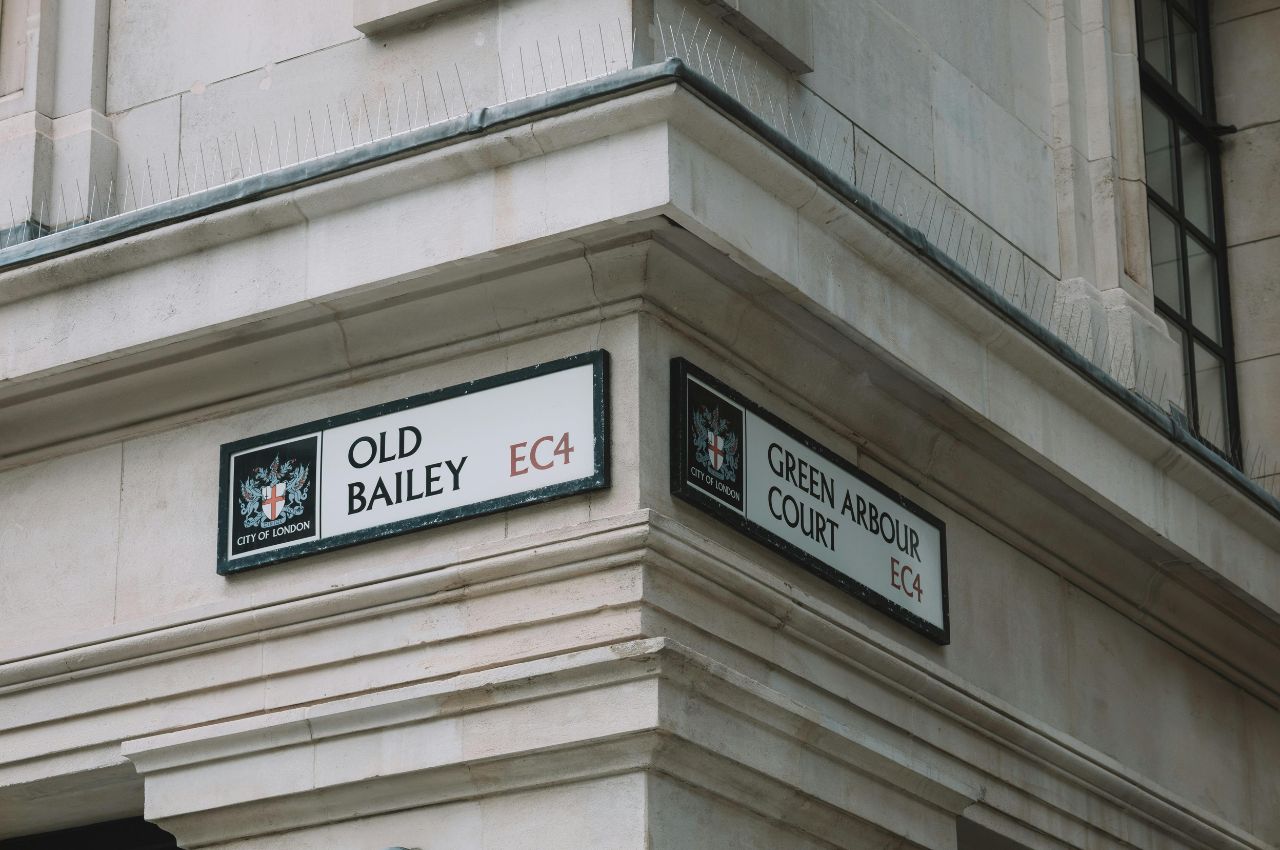
That postcode on the letterhead influences far more than deliveries. Population levels quietly shape how days unfold, affecting cost, pace and pressure in ways that feel personal rather than statistical. Morning routines, queue tolerance and even patience levels are often shaped by how many people share the same space.
Life feels different depending on how many people live nearby. Some postcodes stay active from sunrise to late evening. Others feel settled but removed. This contrast shows up through practical decisions rather than abstract feelings, such as when to leave home, how flexible schedules must be or how predictable daily tasks become.
From commuting patterns to how smoothly errands fit into a day, population density influences friction levels, not just speed. These effects become clearer during transitions, such as moving house or changing jobs, when habits are forced to adapt.
Contents
- 1 When a Busy Postcode Sets the Pace
- 2 How Low-Population Areas Change Expectations
- 3 Population Numbers Put Frustration in Context
- 4 Housing Pressure Shows Up Every Day
- 5 Access to Schools, Healthcare and Local Services
- 6 How Postcode Population Shapes Social Comfort
- 7 What Matters Most Is Alignment, Not Density
When a Busy Postcode Sets the Pace
High-population postcodes create constant momentum. Streets remain active, services stay stretched and shared spaces demand awareness.
Rather than simply moving faster, life in crowded areas requires tighter coordination. Leaving late has consequences. Small delays multiply.
In these postcodes, daily adjustments often include:
- Timing travel to avoid peak congestion
- Accepting queues as routine
- Navigating shared public spaces
- Relying on shortcuts and local knowledge
Some enjoy the energy and variety. Others feel drained by the need to stay alert and responsive throughout the day. Time feels compressed, not just busy.
How Low-Population Areas Change Expectations
Low-population postcodes offer a different rhythm. Streets quieten earlier. Noise fades. The pace feels controlled rather than hurried, especially during evenings and weekends.
That calm comes with limitations. Choice narrows rather than disappears and travel becomes part of planning rather than an inconvenience.
People in quieter postcodes often experience:
- Reduced public transport coverage
- Shorter retail hours
- Longer travel for services
- More deliberate social planning
Community dynamics shift as well. Familiarity replaces anonymity, creating stronger local ties without constant interaction. Whether this feels comforting or restrictive often depends on lifestyle needs rather than personality alone.
Population Numbers Put Frustration in Context
Population is the reason for many common complaints. Congestion, waiting and shortages are evidence of demand. They are not necessarily errors.
If numbers correspond with what happens in day-to-day life, then there doesn’t seem to be as much randomness in inconvenient events. Patterns of demand help explain bottlenecks rather than place blame.
These observations regularly fuel discussions. Access may be the priority in one case. Space to breathe may be the objective for another. Both seem valid when the demographic in question brings perspective to the debate.
Housing Pressure Shows Up Every Day
Housing is where population impact becomes most tangible. Dense postcodes drive up demand, compressing space and increasing competition.
In high-density areas, housing often involves:
- Smaller living spaces
- Higher prices relative to size
- Limited parking
- Faster property turnover
Lower-population postcodes usually offer more space and easier access. Gardens and storage feel like regular features rather than premium. Prices often reflect lower demand.
However, location still matters. Busy postcodes often sit closer to employment hubs, while quieter areas trade affordability for travel time. Housing choices become daily negotiations between space, cost and access.
Access to Schools, Healthcare and Local Services
Population density shapes service availability in practical ways. Schools, clinics and councils plan capacity based on resident numbers.
In dense postcodes, demand pressure appears quickly. Appointments fill early, school places tighten and response times slow.
In quieter postcodes, access feels simpler but spread out. Fewer facilities serve wider areas, making travel a regular part of care and administration.
Daily life reflects this through:
- Appointment availability
- School placement competition
- Travel time for essentials
- Council response speed
These patterns affect households differently. Families, professionals and retirees each experience density in distinct ways.
How Postcode Population Shapes Social Comfort
Population also influences how connected daily life feels. Busy postcodes offer movement and diversity. Anonymity feels normal and often welcome.
Quieter postcodes feel familiar. Recognition replaces novelty, shaping stronger but smaller community identities.
Social experiences often differ through:
- Casual encounters in busy areas
- Planned interactions in quieter ones
- Varying perceptions of safety
- Different levels of community involvement
Some prefer blending into crowds. Others value being known. Social comfort often depends on how much interaction feels energising rather than draining.
What Matters Most Is Alignment, Not Density
What matters in reality about the postcode population is that it appears in daily harmony. Travel, noise, convenience or room relate to the number of residents, but satisfaction involves harmony, not quantity.
High density expands a system. Low density reduces flexibility. Neither is superior.
Comfort in life may be influenced by changing priorities day to day. Speed and proximity are suited for some stages of life. Others are suited for space and quiet.
Knowledge of the population context can help interpret the frictions that occur every day and make better personal choices. The postcode is more than a geographical boundary. The postcode influences experiences of life by establishing routines that become regular processes repeated every day.